Talulla: The Elegant Typeface That Elevates Small Business Branding
When you run a small business, every visual choice sends a message. The fonts you use on a product label, a website banner, or even a thank-you card are subtle but powerful signals to your customers. Talulla is one of those typefaces that quietly transforms an everyday design into something polished and personal. It’s a display font with an elegant, slightly decorative soul — refined enough for high-end branding, yet approachable enough for a cozy café menu or a handmade soap wrapper. After years of trying dozens of typefaces across my own small ventures, I keep coming back to Talulla because it bridges the gap between expressive artistry and real-world usability.
What Talulla Feels Like
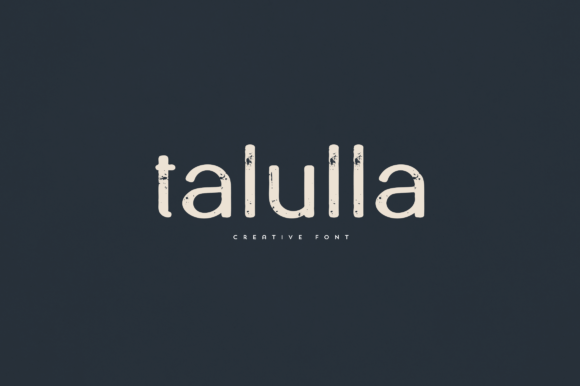
Talulla doesn’t shout. Its personality is graceful and intentional. The letterforms have a flowing, almost calligraphic rhythm, but they avoid the overly formal stiffness of a classic script font. It feels modern and warm — like the kind of lettering you might see on a carefully curated shop window or the cover of a boutique magazine. There’s a gentle contrast between thick and thin strokes, and the delicate serifs give it a touch of tradition without making it feel old-fashioned. This balance makes Talulla incredibly versatile across industries where trust and aesthetics matter equally.
Where Talulla Shines in a Business Setting
I’ve found that the real test of a creative font is how it performs across the many surfaces a small business touches. Talulla holds up beautifully in both digital and print applications. Here are some practical ways to use it:
- Logos and primary wordmarks — Talulla is an ideal choice for a memorable logo. It gives instant character to a brand name, especially for businesses that want a sophisticated yet inviting look.
- Product labels and packaging design — Whether you sell candles, honey jars, or organic skincare, Talulla makes a product feel special. On a small label, its generous curves and airy spacing remain readable.
- Business cards and stationery — Use Talulla for your business name or a subtle monogram. Paired with clean contact details in a sans serif font, it creates a professional first impression.
- Thank-you cards and customer notes — A simple “thank you” rendered in Talulla adds a personal, handwritten quality that strengthens customer relationships.
- Website headers and hero images — Because Talulla is a display font, it works best in larger sizes. Set it as your main headline on your homepage to instantly communicate your brand’s aesthetic.
- Social media graphics — From Instagram story quotes to Pinterest pins, Talulla’s distinctive style grabs attention without overwhelming the message. It pairs well with softly lit photography or minimal product shots.
- Café menus and price lists — For a restaurant or bakery, Talulla can add a refined touch to headings and signature dishes while maintaining easy scanning in a printed format.
Building Recognition and Consistency
One of the hardest things for a small business owner is looking cohesive. Using the same typeface across multiple customer-facing materials builds visual memory. When someone sees your label, then visits your online shop, then receives your packaging, the continuity signals professionalism. Talulla’s distinct character means customers start to associate those elegant letterforms with your products or services. This doesn’t require design expertise — just a commitment to using your chosen font intentionally and sparingly.
For example, a small home-wear brand could use Talulla for its logo and product hang tags, then rely on a simple sans serif font for care instructions and web copy. The contrast actually strengthens the brand identity. Talulla does the heavy lifting of making things feel upscale, while the supporting typeface keeps information clear.
Real-World Examples of Talulla in Action
Let me paint a few realistic scenarios. Imagine a handmade candle line called “Evening Bloom.” The label features the brand name in Talulla, set in a soft cream color over a muted botanical background. That single typeface choice instantly elevates the product from a typical market stall item to something that feels ready for a luxury boutique shelf. Another example: a personal branding coach could use Talulla for their name on a website header, with a tagline in a light sans serif font. The combination exudes warmth and authority, attracting clients who value personality-led professionalism.
For a bakery specializing in wedding cakes, Talulla on cream-colored boxes, menu boards, and flavor cards creates a consistent, romantic mood. The font’s slight ornamental touches echo the artistry of custom desserts without overcomplicating the design. In each case, the business doesn’t rely on multiple visual gimmicks — Talulla acts as the quiet anchor of the entire brand experience.
Using Talulla as a Display Font Strategically
Talulla is not a workhorse for long paragraphs of text. It’s a display font, meaning it breathes best at larger sizes and shorter phrases. Use it for headlines, logos, pull quotes, and accent elements. If you need to convey detailed product descriptions or blog posts, pair it with a highly readable serif or sans serif font. I’ve personally tested it alongside classic geometric sans serif fonts and even gentle slab serifs — the combination always feels intentional rather than chaotic.
Think of Talulla as the signature flourish on your visual identity. Just like you wouldn’t write an entire email in calligraphy, you shouldn’t set dense body copy in this typeface. Reserve it for moments where you want to evoke elegance, heritage, or a human touch.
Readability Across Formats and Screens
A beautiful font that disappears on mobile screens or becomes illegible on textured paper isn’t practical. I’ve tested Talulla on product labels as small as 2-inches wide, and its generous x-height and open counters keep it clear even when printed at moderate sizes. On smartphone screens, it remains recognizable in website headers and social media thumbnails, provided you don’t scrunch the letters together. For packaging materials, I recommend increasing letter-spacing slightly and printing a test run on your actual substrate — especially if you’re working with kraft paper, fabric labels, or textured card stock.
If your business relies heavily on tiny font sizes, such as ingredient lists or legal disclaimers, use a secondary, highly legible typeface for those elements. Talulla excels where visual impact matters most, and that’s exactly how a small business should leverage its strengths.
Smart Font Pairing Approaches
Finding the right partner for Talulla doesn’t require a design degree. The easiest path is to pair an expressive typeface with a quiet, neutral one. A clean sans serif font with uniform stroke widths — like a modern geometric or humanist style — lets Talulla shine without competing for attention. For more traditional brands, a gentle serif font for body text can create a cohesive editorial feel suitable for stationery, brochures, or an online journal.
Avoid pairing Talulla with other decorative or script fonts that might clash. The goal is clarity, not visual noise. When in doubt, set up a simple test: write your brand name in Talulla, then add a short descriptive sentence in your intended secondary font. See how they feel together. If they feel balanced and easy to scan, you’ve found a winner.
Testing Talulla Before Going All In
Before committing any font to your entire brand, do a small pilot. Download Talulla (many foundries offer a trial or demo version) and mock up a few real-world items: a social media post template, a mock product label, a simple thank-you card, and your website’s hero banner. Print the materials at actual size. View them on different devices. Ask a few trusted customers or peers for their gut reaction. This hands-on approach prevents you from falling in love with a typeface on screen only to find it doesn’t translate in physical form.
I’ve found that Talulla passes this test because its personality is strong yet not too trendy. It feels classic enough to age well, which is important when you’re building a brand you hope to nurture for years.
Commercial Licensing and What to Check
Any business owner using a font for branding, packaging, or digital content must understand the licensing terms. Talulla, like many premium display fonts, may come with specific allowances and restrictions. Check whether the license covers:
- Use on products for sale (physical goods, packaging, labels)
- Digital use (website embedding, email newsletters, social media graphics)
- Template or logo creation for client work
- E-book or digital download applications
- Merchandise (stickers, apparel, home-wear)
If you plan to use Talulla as part of a logo you sell or distribute widely, an extended or corporate license may be necessary. I always reach out to the font foundry directly if the terms aren’t crystal clear. The peace of mind is worth the extra step, and it protects your business from legal hiccups down the road.
Why a Thoughtful Typeface Investment Pays Off
In the world of small business branding, details compound. A carefully chosen font like Talulla does more than decorate — it conveys care, taste, and legitimacy. It tells customers that you value the little things, and that same attention extends to your products or services. Over time, those consistent stylistic choices help you stand out in a crowded market without shouting for attention. Talulla isn’t just a pretty alphabet; it’s a lasting design asset that works quietly across every real-world touchpoint your business creates.